Residential Synthetic Roof Covering That Manages Extreme Seasonal Changes
@elliotwnnp354
November 7, 2026 · 15 min read
A roof in a four-season environment has a tougher work than a lot of property owners recognize. It is not merely there to keep rain out. It needs to lose snow, resist ice dam stress, tolerate sharp swings in temperature, hold shade with UV direct exposure, and make it through duplicated freeze-thaw cycles without transforming breakable or curling at the sides. In places where winter months can punish a home for months and summertime can follow with extreme warm, common roof options frequently reveal their limits earlier than expected.
That is where property synthetic roof has gained major interest. Not due to the fact that it is a trend, and not since every home needs the very same option, yet because modern-day artificial roof fix a set of sensible problems that traditional materials occasionally struggle with in rough environments. When a home owner wants the look of cedar shake, slate, or designer shingle roof covering, yet also wants reduced maintenance and better strength, synthetic products belong in the conversation.
For homes in the Midwest, especially in markets like artificial roof Chicago and synthetic roof Naperville IL, the charm is easy to understand. The environment is demanding, the tornados are real, and the cost of a premature roofing failure is expensive to ignore.
Why seasonal extremes subject weak roof covering materials
Most roof damages does not take place in one dramatic minute. It builds quietly gradually. A hot week expands materials. A cold snap contracts them. Wind lifts susceptible sides. Ice lakes at eaves. Moisture discovers a small opening up around a blinking joint, then freezes and expands the gap. By the time a discolor appears on a room ceiling, the trouble has actually generally been developing for months.
Traditional asphalt shingles can perform well when properly installed, yet lower-grade products commonly reveal wear faster under severe seasonal tension. Cedar looks attractive, particularly on higher-end homes, however it can split, warp, and require normal care. Natural slate is sturdy, but it is heavy, pricey to fix, and demands a framework that can support the lots. Clay and concrete can additionally produce weight and breakage issues in freeze-thaw regions.
Synthetic roof coverings went into the marketplace to bridge that gap. Better items are crafted to imitate premium materials while reducing several of the responsibilities that include them. The keyword phrase there is much better. Not every synthetic item is equivalent, and not every installer treats them with the accuracy they require.
What makes synthetic roofing different
The term artificial roof covers a broad variety of products, and homeowners occasionally hear it and picture an economical replica. That fizzles. Premium artificial roof is typically manufactured from engineered polymers, composite blends, or recycled products developed for toughness, influence resistance, and aesthetic uniformity. Some items are made to duplicate hand-split cedar shake. Others are molded to appear like quarried slate or premium tile.
What matters on a home is not just the appearance from the road. It is exactly how those materials respond after 10 winter seasons, numerous summer season warm front, and a few difficult tornados. Reliable building synthetic roof covering has a tendency to withstand breaking, splitting, and wetness absorption more effectively than several all-natural alternatives. Due to the fact that the product profile can be controlled in manufacturing, high quality items likewise provide a much more consistent installation and even more predictable performance.
That predictability issues. Roof failures rarely originate from the field shingles alone. They often begin at changes, hips, ridges, valleys, pipe infiltrations, or perimeter details. A great synthetic professional roofer understands how the system behaves at those stress points, and that understanding is equally as crucial as the material itself.
Freeze-thaw durability is not a marketing phrase, it is a real test
In areas with extreme winters months, freeze-thaw performance ought to be gone over plainly. If a roof covering product absorbs dampness, even in small amounts, repeated cold can create internal tension. Gradually, that stress and anxiety can lead to fractures, surface deterioration, and reduced solution life.
One of the reasons lots of property owners think about synthetic roof covering shingles is their reduced water absorption compared with some all-natural materials. That does not make them unbreakable, yet it does decrease one usual path to deterioration. On a roofing that sees snow cover, sleet, refreezing runoff, and ice buildup, that matters.
A contractor that has resolved sufficient Chicagoland winter seasons can typically point to the trouble zones without climbing onto the roof covering. North-facing inclines frequently age in different ways than south-facing ones. Valleys hold runoff much longer. The reduced eaves take the burden of ice dam activity. Roof areas over poorly shielded attic rooms often tend to show distress earlier because warm loss adjustments snow melt patterns. A sturdy item aids, but the roofing setting up needs to function as a whole.
That is why artificial roof installation need to never be come close to as merely swapping one visible material for an additional. Underlayment selection, air flow, ice and water security, flashing information, and attaching patterns all play into whether the roof does through severe seasonal changes.
Summer warm can be equally as penalizing as winter
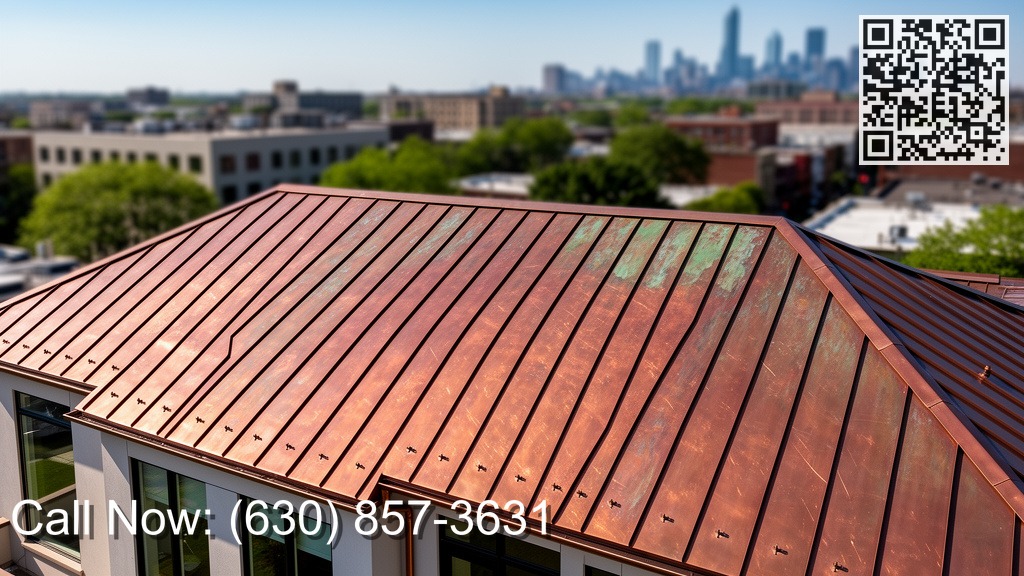
Homeowners tend to focus on snow and hailstorm, yet summertime does its very own damage. Dark roof surfaces soak up warm. Deck temperatures can rise far above ambient air temperature level. UV direct exposure slowly ages several products, fading pigments, drying substances, and worrying adhesives.
Well-engineered artificial roofing systems are created with these facts in mind. Much better solutions are made to continue to be secure across wide temperature level arrays, and higher-end items frequently keep their shape and appearance more constantly than lower-grade options. That is specifically important on huge roof covering planes where aesthetic distortion, curling, or unequal weathering ends up being obvious from the ground.
I have actually seen homes where one incline looked 10 years older than the rest merely because it faced the stronger sunlight and the material could not maintain. On architecturally famous homes, that kind of crookedness ends up being a curb-appeal trouble long before it becomes a leakage trouble. For synthetic roof for deluxe homes, appearances are not additional. They are part of the efficiency equation, because a premium roofing system must maintain its profile and color in a manner that fits the worth of the property.
Weight, structure, and why property owners must care
There is another practical benefit that hardly ever gets sufficient interest: weight. Natural slate and tile can be beautiful, but they place considerable loads on a framework. Not every existing home is framed to lug that kind of dead weight without support, and structural upgrades are hardly ever affordable or simple.
Many artificial roofs are significantly lighter while still supplying the visual deepness house owners want. That can make a synthetic roofing replacement extra realistic on homes where slate or floor tile visual appeals are desired but the framework was not created for those materials. It can also reduce managing intricacy during setup and repairs.
Lighter does not automatically indicate better. It indicates one constraint might be simpler to manage. Wind resistance, fastening methods, and manufacturer demands still matter. But when a property owner desires the look of old-world roofing without transforming the job right into an architectural restoration, architectural artificial roof covering usually makes sense.
The appearance concern, can synthetic really look premium?
Some can, some can not. The best items have strong darkness lines, practical variation, and profiles that avoid the flat, repeated appearance that distributes inferior imitations. The weakest ones can show up too uniform, as well glossy, or as well superficial in relief, especially in direct sunlight.
For upscale communities and custom homes, this difference is important. Artificial roof covering for high-end homes has to do greater than make it through the weather condition. It has to stand up visually when checked out from the driveway, the second-floor home window, and the street. If the home has stone, brick, copper, or personalized millwork, the roof covering should belong because composition.
This is one area where samples alone can misdirect. A little display board might look persuading indoors, then look overly produced on a full roofing system under all-natural light. A seasoned artificial roofing business ought to have the ability to show installed examples, go over shade weathering assumptions, and describe where each product looks its finest. Some items excel on high slopes. Others fit broad, stately roof covering airplanes. Some enhance historical design far better than others.
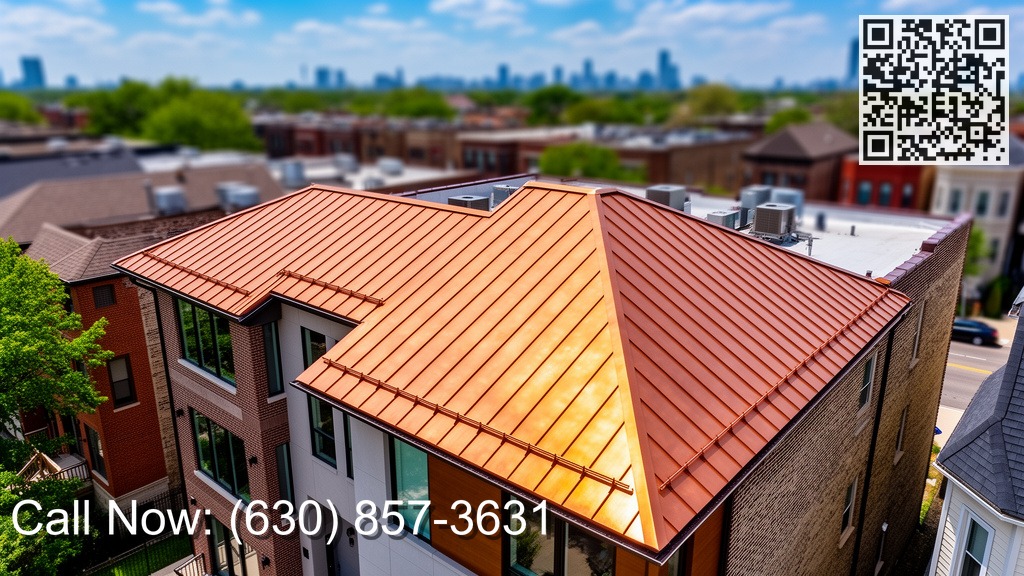
That kind of design judgment separates a product sale from a well-matched roof project.
Installation high quality makes a decision whether the product meets its promise
Homeowners commonly invest weeks comparing items and hardly an hour vetting the crew that will mount them. That is backwards. Also premium artificial roof can underperform if it is set up carelessly.
A qualified artificial roofer will pay attention to deck problem, format accuracy, starter information, ridge ventilation, valley treatment, blinking integration, and fastener placement. Artificial materials typically have details maker requirements that vary from typical asphalt methods. If an installer treats every roof covering the same, troubles follow.
In the Chicagoland market, this problem comes up commonly. A specialist that mostly does entry-level tile work may not have the background for costs composite shake or slate systems. That does not imply they do not have basic ability. It indicates specialized materials call for specialty routines. A synthetic roofer Chicagoland home owners can rely on should recognize both the product and the climate.
Here are a couple of indicators that the contractor is taking the work seriously:
- They inspect attic room ventilation and insulation conditions, not simply the surface roof.
- They explain the full setting up, including underlayment, flashings, intake, and exhaust.
- They can point to local tasks with a few years of climate direct exposure, not only fresh installs.
- They discuss manufacturer specs plainly and do not improvise around them.
- They address repairability, not just first-day appearance.
That last point is entitled to emphasis. Roofings are long-lasting systems. Branch influence, tornado particles, and service infiltrations occur. Ask exactly how specific sections can be repaired or replaced, and whether replacement pieces are likely to stay available down the road.
How synthetic roofings take care of wind, impact, and tornado stress
Extreme seasonal modification frequently comes with extreme weather condition. Springtime hailstorm, summer thunderstorms, autumn wind events, and winter months ice all test the roofing system in different ways. Better synthetic roof covering roof shingles are usually created with impact resistance in mind, which can be a significant advantage in hail-prone locations. That does not make every roof covering hail-proof, because hail storm damage relies on tornado strength, angle, roofing age, and numerous various other factors. Still, the resilience of quality artificial materials is one factor insurers and property owners progressively focus on them.
Wind is an additional location where information issue. The shape of the material, the attachment method, and the edge therapy all affect efficiency. A well-installed synthetic roofing system can do effectively in wind exposure, yet open edges and weak blinking details can still stop working if edges are reduced. On several homes, the initial noticeable trouble after a significant tornado is not in the middle of the roofing field. It is at ridge caps, rake sides, action flashings, or valleys where water is pressed under a vulnerable detail.
A house owner comparing roofing options need to resist wide cases like "storm-proof" or "maintenance-free." Those pledges usually claim a lot more concerning sales method than roofing science.
The hidden friend to roofing efficiency: ventilation
A roofing article that disregards ventilation is only telling half the tale. Severe seasonal shifts position tension on the roofing covering, but they likewise reveal weak points in attic room air flow and insulation. In winter, cozy air running away right into the attic can melt snow unevenly, feeding ice dams at the colder eaves. In summer, caught attic heat bakes the bottom of the roofing system deck and elevates surface temperatures.
When synthetic roofing system installers examine a home appropriately, they look beyond the visible roof shingles. Well balanced consumption and exhaust ventilation, air securing, and insulation depth all influence just how the brand-new roofing will do. If those problems are bad, even the most effective roof product is forced to function under strain it must not need to endure.
I have actually seen homeowners replace a stopping working roof covering just to maintain the very same attic issues, then question why the new system still established winter trouble. The roof covering material boosted, but your house maintained feeding it the very same negative conditions. Great specialists do not overlook that.
When synthetic roof is the right option, and when it may not be
Synthetic is not instantly the ideal solution for every house. A moderate home with uncomplicated roofing system geometry and budget plan restrictions might be better offered by a high-grade asphalt building roof shingles. A historical residential or commercial property under rigorous conservation guidelines may require details products or appearances that tighten the area. Some house owners simply prefer the aging characteristics of genuine cedar or real slate and are willing to approve the upkeep and price that feature them.
Still, residential artificial roof makes a strong instance in several circumstances. It tends to radiate when a home owner desires upgraded look, lower weight, stronger resistance to seasonal abuse, and a realistic lasting upkeep strategy. It is particularly engaging when the design objective is superior visual appeals without the structural problem or upkeep needs of certain all-natural materials.
The secret is honest matching. The house, the climate, the spending plan, and the possession perspective need to all inform the selection. A roof that looks best on one building can be the wrong financial investment on another.
Cost, longevity, and the real value equation
The ahead of time cost of artificial roof installation is typically higher than standard asphalt and lower than several natural costs materials, though the exact range relies on product option, roofing system complexity, accessory details, and local labor problems. Complex valleys, steep inclines, dormers, copper assimilation, and difficult gain access to can all move rates considerably.
Homeowners sometimes focus also tightly on the agreement total and miss the bigger math. If a roofing system supplies stronger resilience, lower upkeep, and a much longer beneficial life while protecting the home's look, the value picture changes. That is particularly real for bigger customized homes where the visual influence of the roofing system is substantial and replacement costs are significant.
The truthful discussion is not "What is the least expensive roof covering?" It is "What roof covering best fits this home over the next twenty to forty years, and what dangers am I accepting with each alternative?" An expert synthetic roofing business should be comfortable having that conversation without transforming every answer into a sales pitch.
Questions worth asking before committing
Before picking a product or signing a contract, property owners need to push for clarity. Not hostile sales clearness, real task clearness. An excellent synthetic roofer must welcome accurate questions.
- How will the system handle ice dam risk at eaves and valleys on this certain home?
- What attic air flow changes, if any, are recommended with the brand-new roof?
- Which regional installations can I see that have actually been with numerous winters?
- How are flashings took care of around chimneys, wall surfaces, skylights, and penetrations?
- If a repair is required later, exactly how simple is it to match and change damaged sections?
These concerns do 2 points. They disclose the specialist's technical deepness, and they require the discussion away from sales brochures and towards area conditions. That is where good roof covering decisions are made.
Why local experience issues in Chicagoland
Roofing in mild environments is one point. Roof covering with Chicagoland winters is an additional. Snow load patterns, ice development, wind-driven rainfall, freeze-thaw biking, and summer humidity produce a really details test setting. That is why homeowners seeking synthetic roofing Chicago solutions ought to favor companies with regional experience, not simply nationwide advertising polish.
A synthetic professional roofer Chicagoland homeowners employ must recognize how area design, community requirements, and regional weather patterns influence setup selections. Residences in Naperville, for example, may https://simonemuj158.keystonescope.com/posts/residential-synthetic-roofing-that-takes-care-of-extreme-seasonal-adjustments have large, complicated roof lines on personalized residential properties where look and efficiency are similarly crucial. In those instances, artificial roofing Naperville IL projects usually include as much preparing around style assimilation as around raw weather protection.
That regional judgment can be refined. It could include choosing an item account that suits a steep Tudor roof covering far better than a broad colonial roof covering. It could involve changing ventilation method for an ended up attic room or taking care of mature trees that develop shade, particles, and moss stress. It might imply recognizing that a roof covering with repeated previous ice problems needs more than just a new external layer.
The finest synthetic roof is part material, component style, part craftsmanship
Roofing decisions typically get minimized to brand and guarantee pamphlets. Those matter, but they are not the whole tale. An effective artificial roof covering replacement originates from the interaction of a resilient product, a roof design that appreciates how water and air move, and installers that understand just how to perform information consistently.
That is why property owners shopping for synthetic roofing systems ought to reduce and examine the full picture. The ideal roofing for a climate with severe seasonal modifications is not just eye-catching on setup day. It stays steady with warmth, chilly, snow, and storms. It safeguards at risk roofing system changes. It sustains the appearance of the home as opposed to competing with it. And it does not ask the house owner to end up being a roof expert just to maintain it functioning.
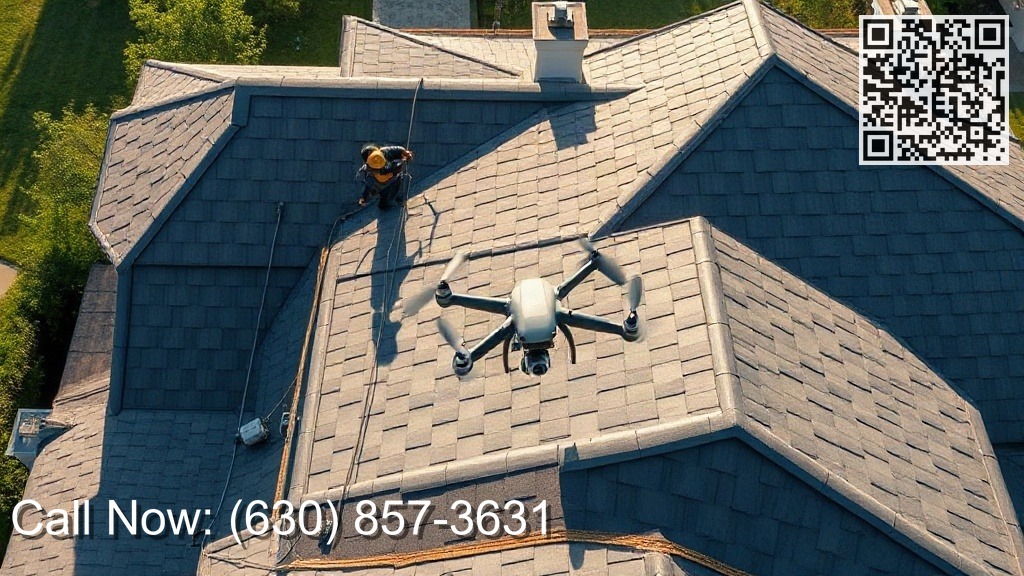
For numerous homes, premium synthetic roof covering meets that typical remarkably well. It offers the aesthetic deepness home owners want, with less architectural problem and usually much less upkeep than typical costs materials. When coupled with correct air flow, solid flashing job, and a professional who understands local weather, it can be one of the smartest long-lasting roofing selections available.
A roof needs to gain its location every season. In climates where those periods turn hard, that conventional matters greater than ever.
When Quality Matters
Salvo Architectural Roofing Contractors
566 West 5th Ave Naperville, IL 60563
(630) 857-3631
 Ask ChatGPT
 Ask Grok
 Ask Perplexity
 Ask Claude
 Ask Google AI
 Ask You